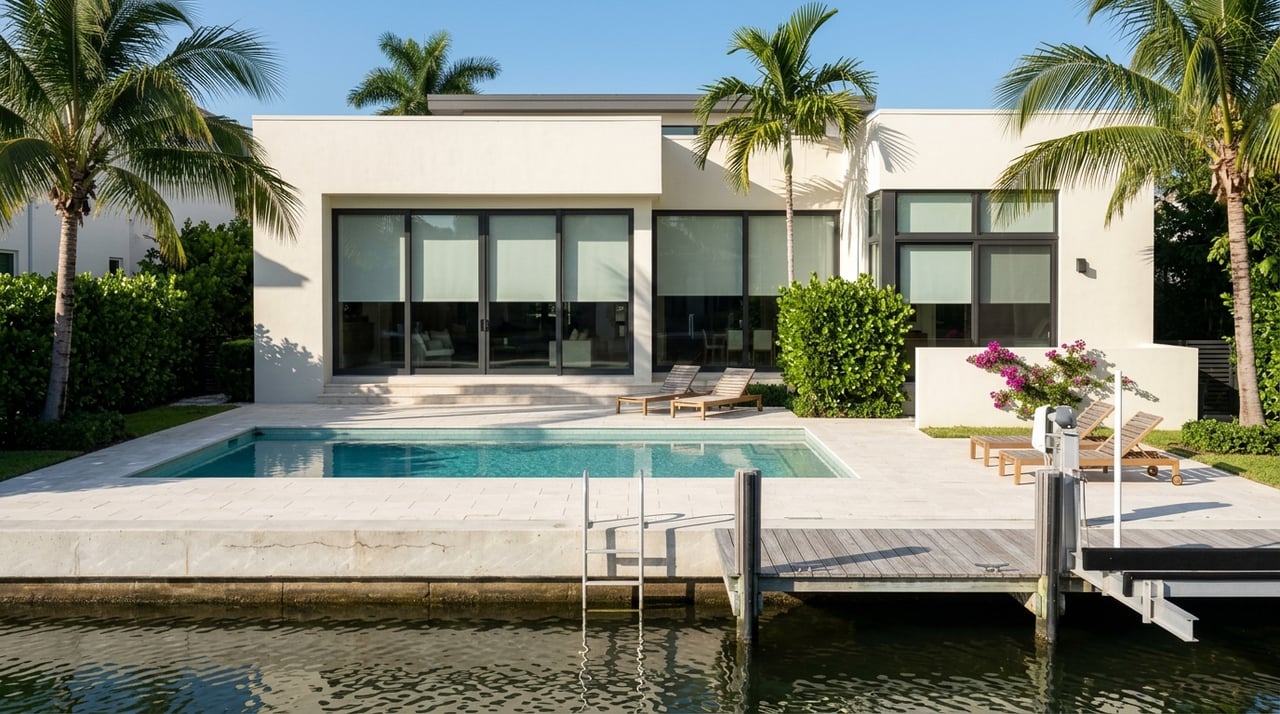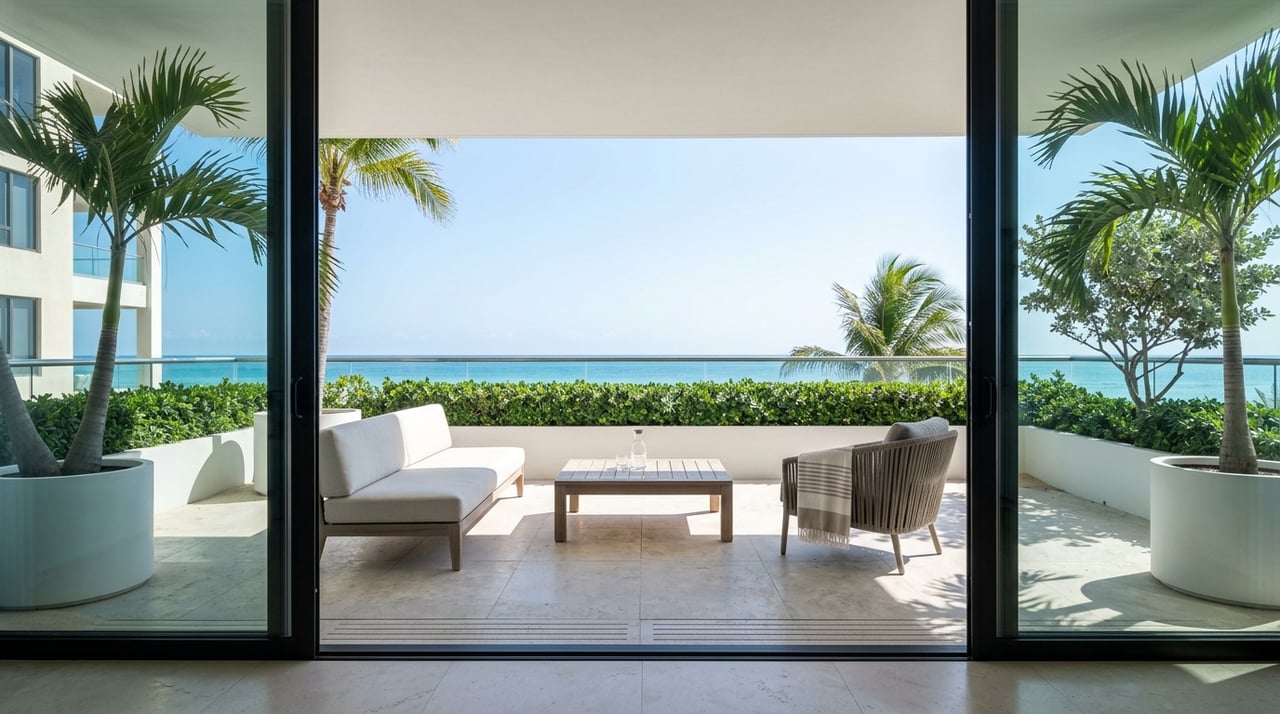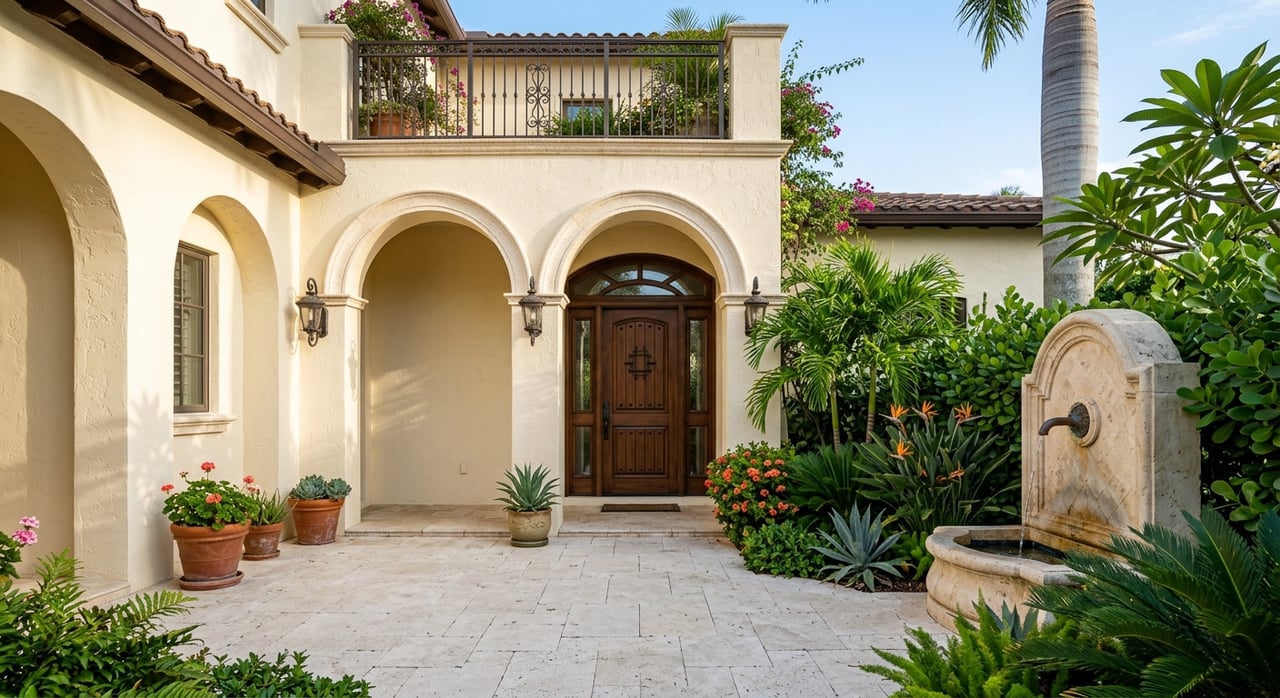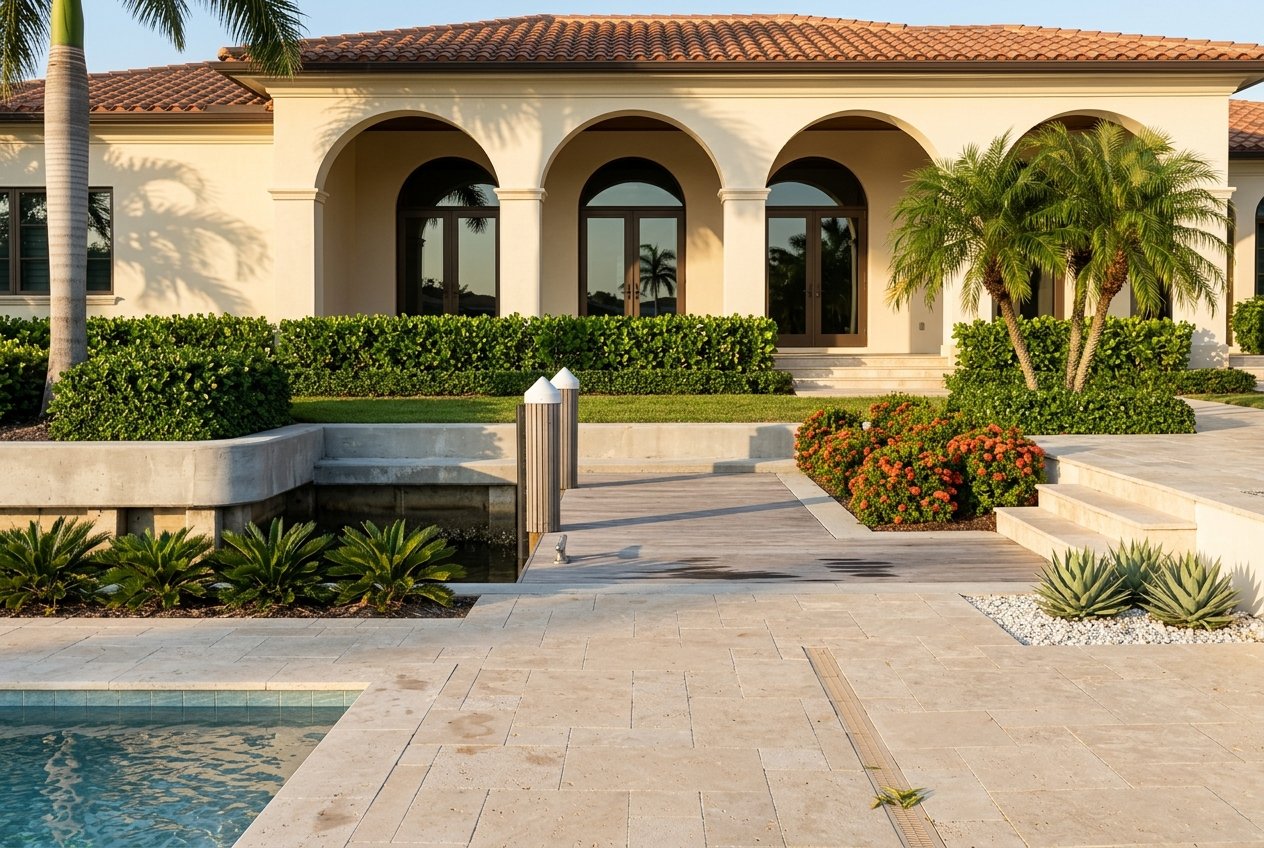
If you are buying in Fort Lauderdale for the boat as much as the house, this choice is not just about style or street appeal. It is about bridge clearance, canal depth, dock fit, and how fast you can get to open water without extra hassle. When you compare Harbor Beach and Las Olas Isles through a serious boater’s lens, the differences become clear quickly. Let’s dive in.
Why Harbor Beach and Las Olas Isles Get Compared
Harbor Beach and Las Olas Isles are both well-known waterfront areas in Fort Lauderdale, but they serve different boating priorities. Harbor Beach sits on the barrier island north of the Port Everglades inlet, which gives it a location advantage for buyers focused on efficient ocean access. Las Olas Isles is a waterfront community with nine isles and more than 300 households, making it an established option for buyers who want a large, connected boating neighborhood.
For many buyers, both areas make the short list because they offer waterfront homes, private dock potential, and a strong boating lifestyle. Still, not every waterfront address works the same way once you factor in vessel height, depth at the dock, and route-to-inlet logistics. That is where the decision usually shifts from lifestyle preference to practical fit.
Harbor Beach for Faster Ocean Access
For serious boaters, Harbor Beach is usually the lower-friction choice. Its position near the inlet often means a shorter practical run to Port Everglades and less concern about clearing the lower Las Olas Boulevard bridge. If your boat has height or you simply want fewer route constraints, that matters.
Port Everglades is maintained as a deep port with a 45-foot entrance channel, a 42-foot inner channel, and a 42-foot south port channel. That deepwater system supports larger vessels once you are out of the neighborhood canals and into the main access route. For buyers with bigger boats, Harbor Beach lines up well with that priority.
That said, you still need property-level due diligence. NOAA notes that the smaller Fort Lauderdale waterways in this area average about 9 feet of water depth, but usable depth varies by parcel, tide, and the exact waterway at the home. In plain terms, one Harbor Beach lot may fit your boat well while another may not.
Internal Waterways Still Matter
Even in a location with strong inlet access, internal boating conditions are part of the equation. NOAA’s Coast Pilot shows that canal and river conditions can vary significantly in this broader network, including reported controlling depths of 8 feet in places such as the Mercedes River and varying depths alongside marina areas.
Harbor Beach also has a current City bridge replacement program covering West Lake Drive crossings at the Estelle River, Lucille River, and Mercedes River. Construction is scheduled for fall 2027 through summer 2030. If you are evaluating a home there, it is smart to ask how the exact waterway and bridge route may affect day-to-day boating access during and after that timeline.
Las Olas Isles for Established Waterfront Living
Las Olas Isles appeals to buyers who want a long-established waterfront setting with private security and a broad network of canals. The neighborhood operates through a voluntary homeowners association and supports 24/7 professional security through SIG 9 Global. For some buyers, that structure and the scale of the community are a major draw.
From a boating standpoint, though, Las Olas Isles asks more from you up front. The key issue is bridge clearance. NOAA lists the Las Olas Boulevard bridge at 24 feet of reported clearance at the center, which can be a deciding factor for taller-profile boats.
If your vessel sits high, bridge height is not a minor detail. It may shape whether a home is workable at all. In Las Olas Isles, buyers often need to think about bridge clearance before they fall in love with the property.
Seawalls and Canal Infrastructure Count
Las Olas Isles also shows why waterfront ownership is about more than the dock itself. The City of Fort Lauderdale has replaced seawall sections along portions of Las Olas Boulevard, and one of those projects required boats to be removed from adjacent canal ends during construction.
That does not make the area less attractive, but it does highlight an important point. In a canal-front neighborhood, seawall condition, nearby public works activity, and access during construction can affect your experience. When you evaluate a home in Las Olas Isles, ask not only about the dock, but also about the seawall, canal maintenance, and any recent or planned city work nearby.
The Biggest Boating Difference: Bridge Clearance
If you want the simplest way to separate these two neighborhoods, start with bridge clearance. Las Olas Isles is tied closely to the Las Olas Boulevard bridge, which has 24 feet of reported clearance at the center. The 17th Street Causeway bridge farther east has 55 feet of authorized clearance, and Port Everglades supports deep channel access beyond that.
For many serious boaters, that makes Harbor Beach the easier fit. Its location generally means less pressure from the lower Las Olas bridge and a more straightforward route toward the inlet. If your goal is to reduce boating friction, Harbor Beach usually comes out ahead.
For buyers with boats that comfortably fit the route, Las Olas Isles can still work very well. You just need to treat bridge height as a first-pass filter, not an afterthought.
Ownership Costs and Community Structure
Boating fit is only part of the decision. Ownership structure and neighborhood expenses also matter, especially in areas where security, infrastructure, and utility projects are active parts of the ownership picture.
Harbor Beach has a city-recognized neighborhood association that says it self-funds amenities through resident associations and relies on SIG 9 plus Fort Lauderdale Police patrols for community security. The association also references gatehouses and ongoing patrol coverage.
Las Olas Isles also supports private security, but through a voluntary HOA rather than a mandatory one. Its dues help fund security and upkeep. That distinction is worth understanding early, especially if you are comparing recurring costs and how each neighborhood handles shared priorities.
Ask About Assessments Early
Fort Lauderdale’s utility undergrounding program is one of the clearest examples of why buyers should ask detailed questions before making an offer. The City says Las Olas Isles is completed, while Harbor Beach has applications received. If a project moves forward, costs are typically repaid through a special assessment on the property tax bill over 30 years, following the City’s approval process.
That means your waterfront buying checklist should include more than taxes and insurance. You should also ask about current dues, voluntary or association-related costs, special assessments, undergrounding status, and any capital projects that may affect access or ownership costs over time.
What Serious Boaters Should Verify Before Buying
No matter which neighborhood you prefer, lot-level verification is essential. Two homes on the same street can perform very differently for a specific vessel.
Before you move forward, make sure you confirm:
- The lowest fixed bridge on your boating route and whether your boat clears it at normal water levels
- Actual water depth at the dock
- Depth at the end of the canal or along the route out
- Seawall condition and any recent repair history
- Whether city work or bridge projects could affect access
- HOA dues, security costs, or special assessments tied to utilities or capital projects
This is where a focused buying strategy matters. The right waterfront home is not just visually impressive. It needs to function cleanly for the way you actually boat.
Which Neighborhood Fits Your Priorities?
If your top priority is the shortest practical run to the inlet and the least bridge friction, Harbor Beach is usually the better match. It is often the more natural fit for larger or taller boats, especially when easy ocean access is the goal.
If your top priority is an established waterfront setting with private security and you are comfortable managing bridge height as part of vessel selection, Las Olas Isles may be the better fit. It also has the advantage of completed utility undergrounding, which some buyers will view as a meaningful plus.
The best choice comes down to how you use your boat, not just where you want your address to be. If you start with clearance, depth, dockage, and project due diligence, you will make a far stronger decision.
If you want help comparing waterfront options in Harbor Beach, Las Olas Isles, or across Fort Lauderdale’s canal-front market, The Branham Group can help you evaluate the details that matter before you make an offer.
FAQs
Is Harbor Beach or Las Olas Isles better for larger boats?
- Harbor Beach is usually the better fit for larger or taller boats because its location near the inlet generally means less bridge friction and a more direct practical run to open water.
What bridge clearance matters most in Las Olas Isles?
- The Las Olas Boulevard bridge is the key number to check, with 24 feet of reported clearance at the center according to NOAA.
Do Harbor Beach and Las Olas Isles have the same canal depth?
- No. NOAA notes that smaller Fort Lauderdale waterways in this area average about 9 feet, but actual usable depth varies by parcel, tide, and the exact waterway, so each property needs to be verified individually.
Are there community security differences between Harbor Beach and Las Olas Isles?
- Yes. Harbor Beach references gatehouses and patrol coverage through its neighborhood association structure, while Las Olas Isles uses a voluntary HOA that funds 24/7 professional security and upkeep.
What waterfront property details should you check before buying in Fort Lauderdale?
- You should confirm bridge clearance, actual depth at the dock, depth along the canal route, seawall condition, and whether there are HOA dues or special assessments tied to security, undergrounding, or capital projects.